Introduction
For decades, Artificial Insemination (AI) has been promoted as one of the most powerful tools for improving livestock productivity.
Yet despite the proven benefits, many dairy farmers in Kenya continue to rely on natural breeding or use AI inconsistently.
This presents a missed opportunity.
In an industry where profitability increasingly depends on productivity, genetics matters more than ever.
The difference between a cow producing 10 litres of milk per day and one producing 25 litres may begin long before the calf is born.
It begins with genetics.
Artificial Insemination allows farmers access to superior genetics that would otherwise be unavailable or unaffordable.
When implemented correctly, AI can improve milk yields, fertility, disease resistance, longevity, and overall farm profitability.
What is Artificial Insemination?
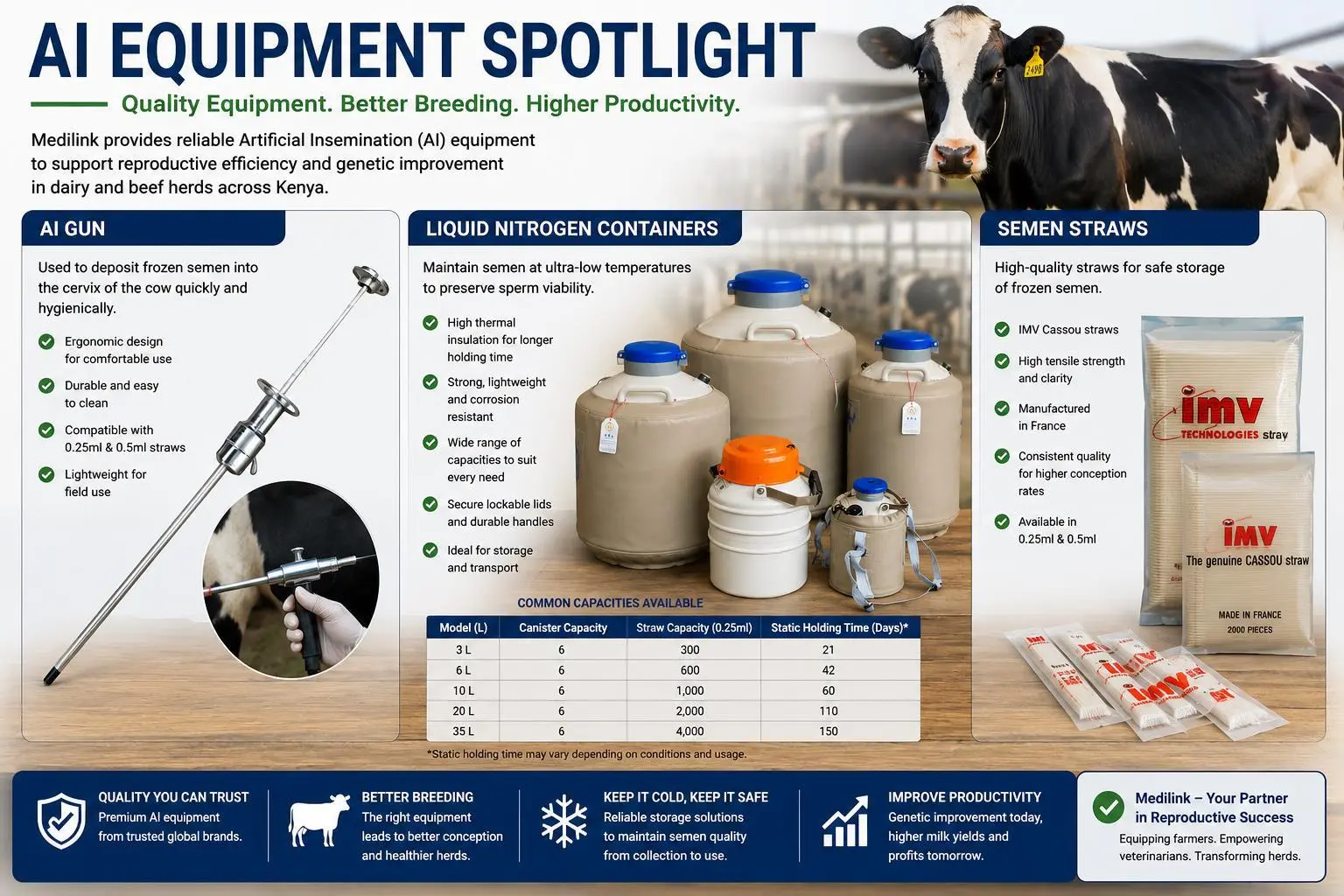
Artificial Insemination is the process of introducing semen from a selected bull into a cow's reproductive tract without natural mating.
Rather than maintaining expensive bulls on the farm, farmers can access genetics from carefully selected sires with proven performance records.
This allows rapid genetic improvement across entire herds.
AI has become a standard practice in many of the world's most productive dairy industries, including those in the Netherlands, New Zealand, Denmark, Canada, and the United States.
Why AI Matters for Kenyan Farmers
Many Kenyan dairy farmers face similar challenges:
- Low milk production
- Poor fertility
- Long calving intervals
- Limited access to quality breeding stock
- High replacement costs
Artificial Insemination directly addresses these issues by introducing superior genetics into the herd.
Benefits include:
Higher Milk Production: Daughters of high-performing bulls often produce significantly more milk than the herd average.
Improved Fertility: Carefully selected genetics can improve reproductive efficiency over time.
Better Disease Resistance: Modern breeding programs increasingly incorporate health traits into sire selection.
Reduced Breeding Costs: Maintaining a breeding bull can be expensive and risky.
AI provides access to superior genetics without the associated costs.
Faster Genetic Progress: Farmers can improve their herd generation after generation.
Why A.I. is still under-utilized in Kenya
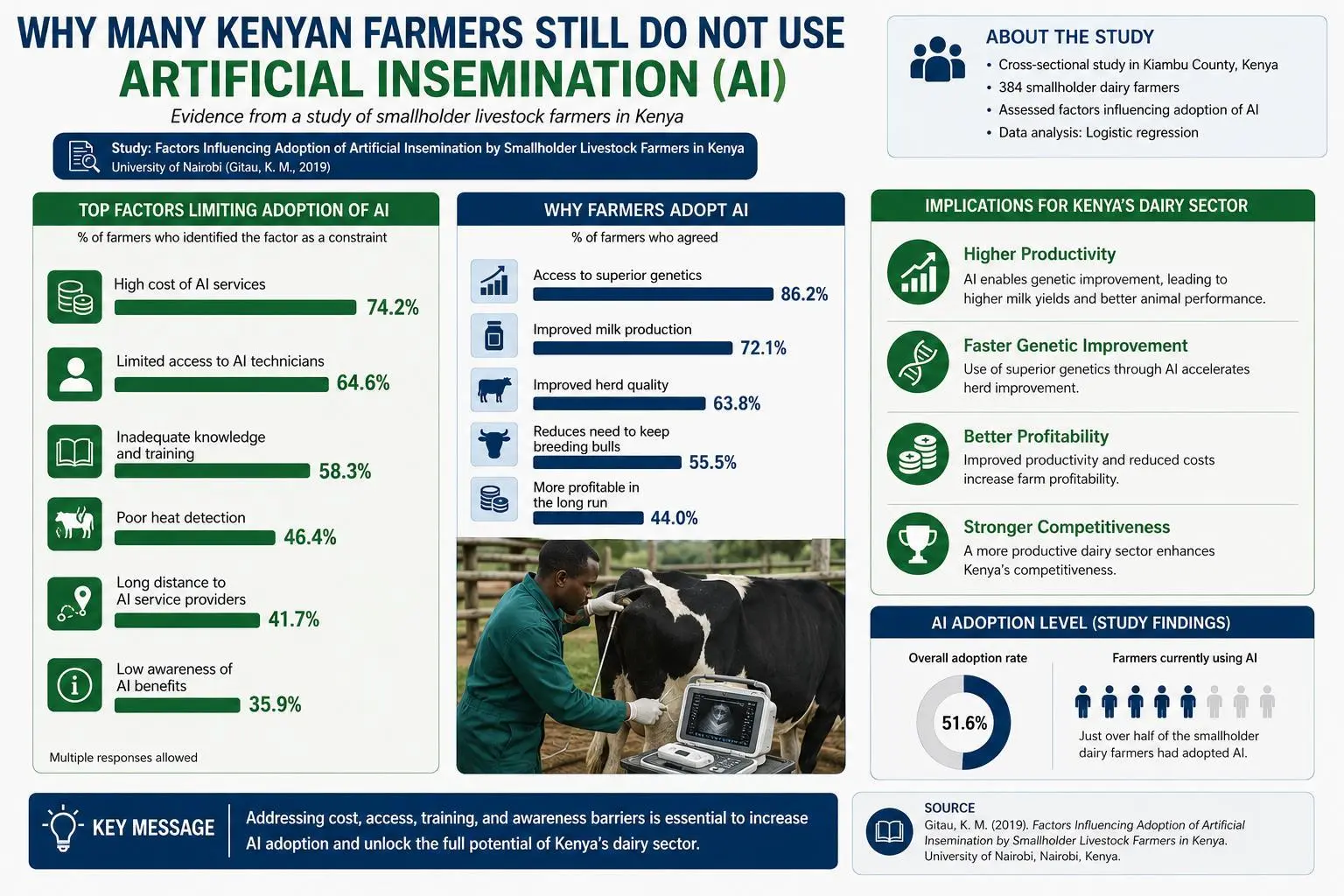
Artificial Insemination (AI) is one of the most effective tools for improving dairy genetics and productivity, yet adoption among Kenyan smallholder farmers remains below its potential.
Research by the University of Nairobi found that the main barriers to AI adoption are less about the technology itself and more about access, affordability, knowledge, and management practices.
What Is Holding Farmers Back?
- High Cost of AI Services: Many farmers are discouraged by the costs of insemination services, semen, transport, and follow-up support.
- Limited Access to AI Technicians: Delays in accessing qualified technicians can lead to missed breeding opportunities and lower conception rates.
- Inadequate Knowledge and Training: Many farmers lack training in heat detection, breeding management, AI timing, record keeping, and post-insemination care.
- Poor Heat Detection: Failure to identify cows in heat accurately remains one of the leading causes of unsuccessful AI programs.
- Distance to Service Providers: Farmers in remote areas often face challenges accessing timely and affordable AI services.
- Low Awareness of AI Benefits: Some farmers are still unaware of AI's long-term advantages, including superior genetics, higher milk production, better herd quality, and reduced reliance on breeding bulls.
Common Causes of AI Failure
Many farmers blame AI when conception fails. In reality, the cause is often management-related.
Common causes include:
- Incorrect Timing: Timing is critical. Even excellent semen cannot achieve conception if insemination occurs too early or too late.
- Poor Body Condition: Cows that are too thin or too fat often experience reproductive challenges.
- Disease: Reproductive diseases can significantly reduce conception rates.
- Poor Semen Handling: Improper thawing or storage can damage semen quality.
- Heat Stress: Environmental stress can negatively affect fertility.
The Seven Factors that determine A.I. success
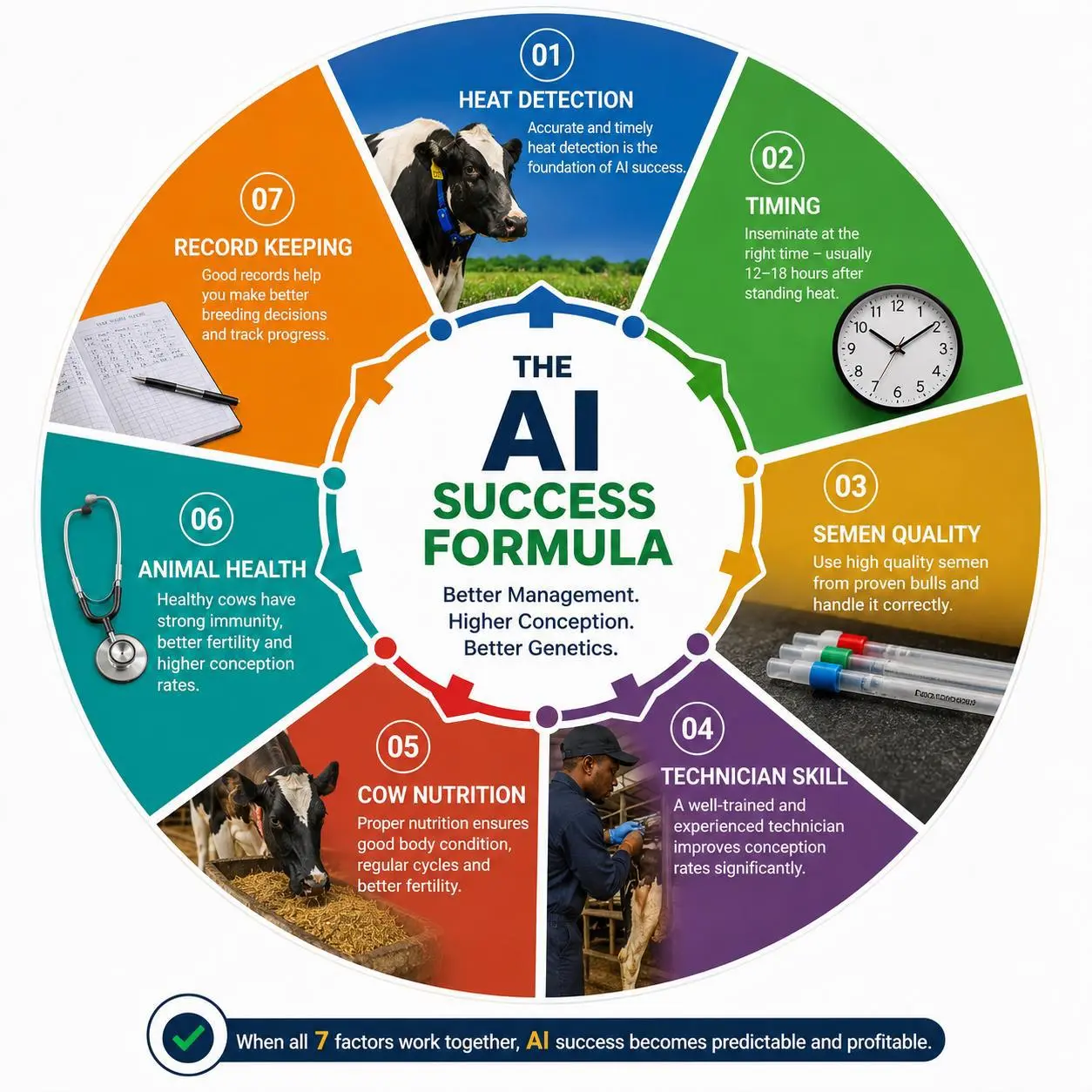
Successful AI programs depend on seven key factors.
1. Heat Detection: Recognizing heat signs early remains one of the most important determinants of success.
2. Proper Timing: The "AM-PM Rule" is still widely used in dairy breeding.
3. Quality Semen: Genetics and semen quality matter.
4. Skilled Technician: Proper insemination technique increases success rates.
5. Nutrition: Healthy reproductive systems require balanced nutrition.
6. Animal Health: Vaccination, deworming, and disease control improve fertility.
7. Record Keeping: Good records help farmers make informed breeding decisions.
The Economic Benefits of A.I.
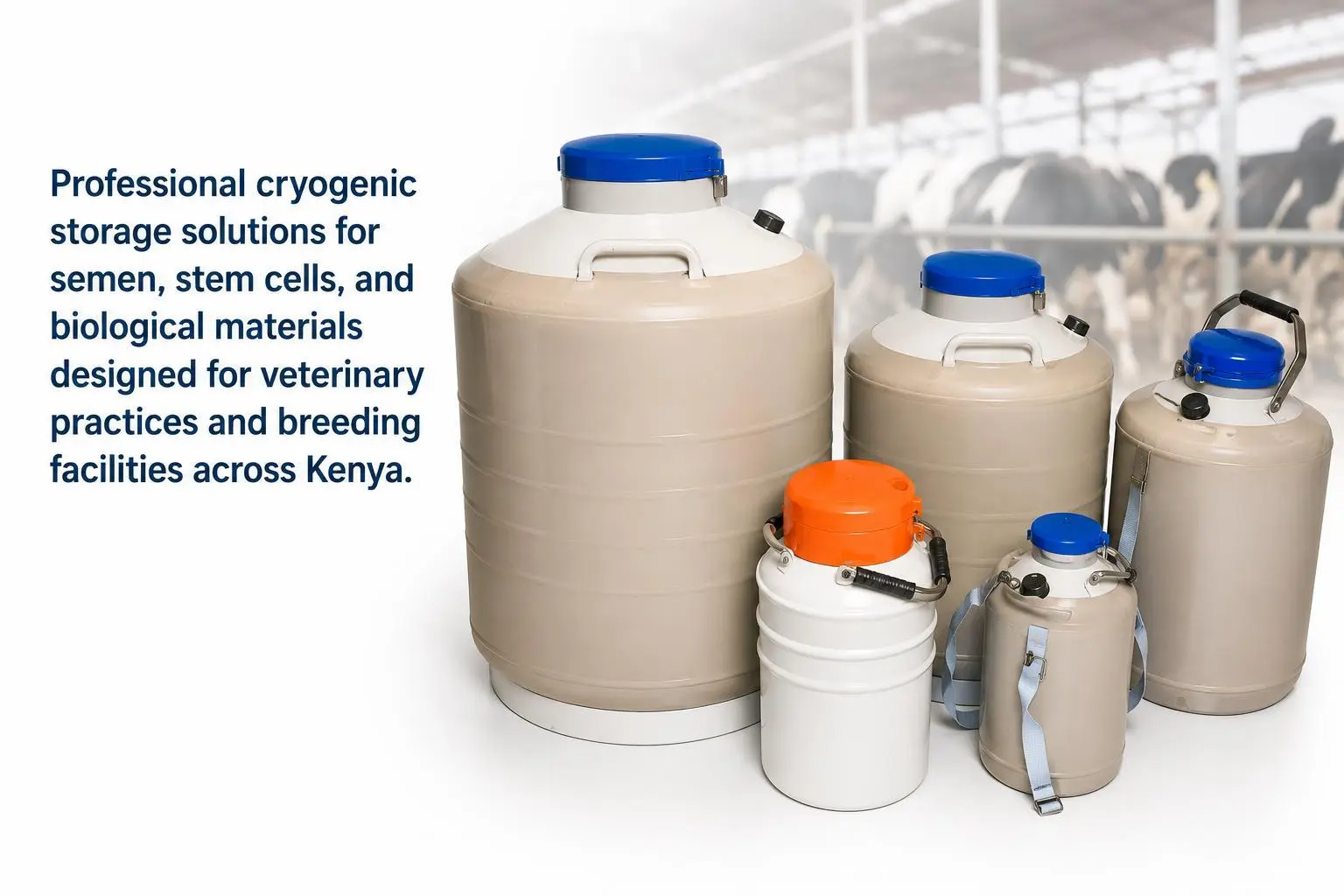
Many farmers focus on the cost of AI. Few calculate its return on investment.
Consider the potential benefits:
- Higher milk production
- Better fertility
- Reduced replacement costs
- Improved calf quality
- Increased herd value
Over several generations, the economic impact can be substantial.
A single breeding decision today may influence farm profitability for years.
Modern Technology is changing Breeding
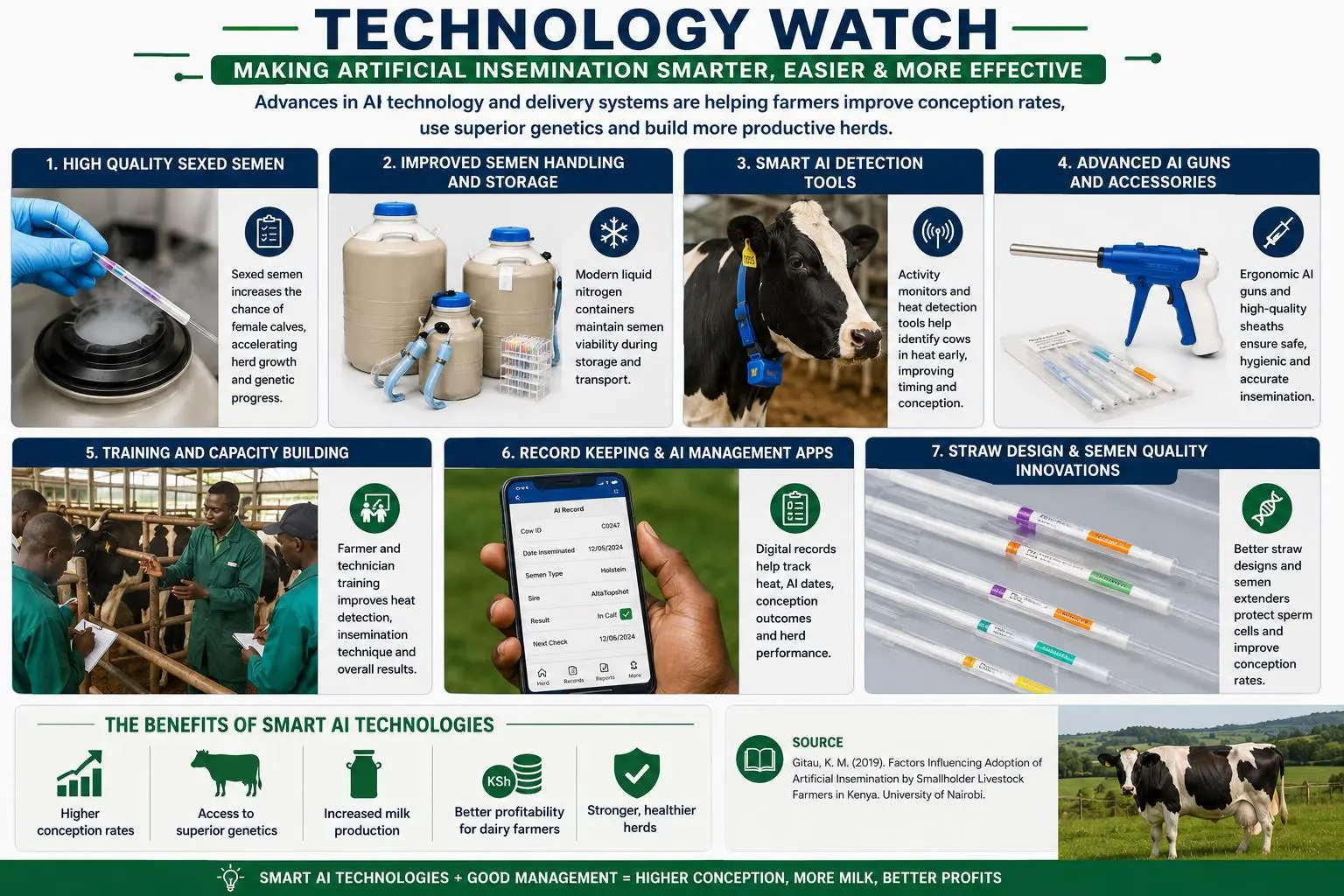
Today's dairy farms increasingly use technology to improve breeding performance.
Examples include:
- Activity Monitoring Collars: These devices help identify cows in heat.
- Herd Management Software: Digital records simplify breeding management.
- Pregnancy Diagnosis Technologies: Earlier confirmation improves decision-making.
- Genetic Evaluation Tools: Farmers can make more informed sire selections.
Technology is making breeding more precise than ever before.
Frequently Asked Questions
What is Artificial Insemination in cattle?
Artificial Insemination is a breeding technique where semen is introduced into a cow without natural mating.
Why is AI important for dairy farming?
AI improves genetics, milk production, fertility, and profitability.
What causes AI failure?
Common causes include poor heat detection, incorrect timing, poor nutrition, disease, and inadequate record keeping.
How much does AI cost in Kenya?
Costs vary depending on location, semen type, and service provider.
How can farmers improve conception rates?
Better heat detection, nutrition, health management, and record keeping significantly improve success rates.
Is AI better than keeping a bull?
For most dairy farms, AI provides access to superior genetics at a lower long-term cost.
Conclusion
Artificial Insemination remains one of the most underutilized productivity tools available to Kenyan dairy farmers.
While challenges exist, the benefits far outweigh the obstacles.
Successful dairy farmers increasingly recognize that profitability starts with genetics.
When combined with proper nutrition, health management, and record keeping, AI can transform herd performance and long-term farm profitability.
The question is no longer whether AI works.
The question is whether your farm is fully benefiting from its potential.
How Medilink Vet Suppliers can help
Medilink Vet Suppliers provides high-quality breeding and veterinary equipment to support successful AI programs.
Our solutions include:
- AI Guns
- Liquid Nitrogen Containers
- Semen Storage Equipment
- Veterinary Equipment
- Livestock Handling Equipment
- Animal Identification Systems
Whether you are a dairy farmer, veterinarian, agrovet, cooperative, or institution, Medilink can help you implement modern breeding solutions that improve productivity and profitability.
Contact Medilink Vet Suppliers today to learn more about Artificial Insemination equipment and dairy productivity solutions.