Get more advice on Whatsapp View Recommended Equipment
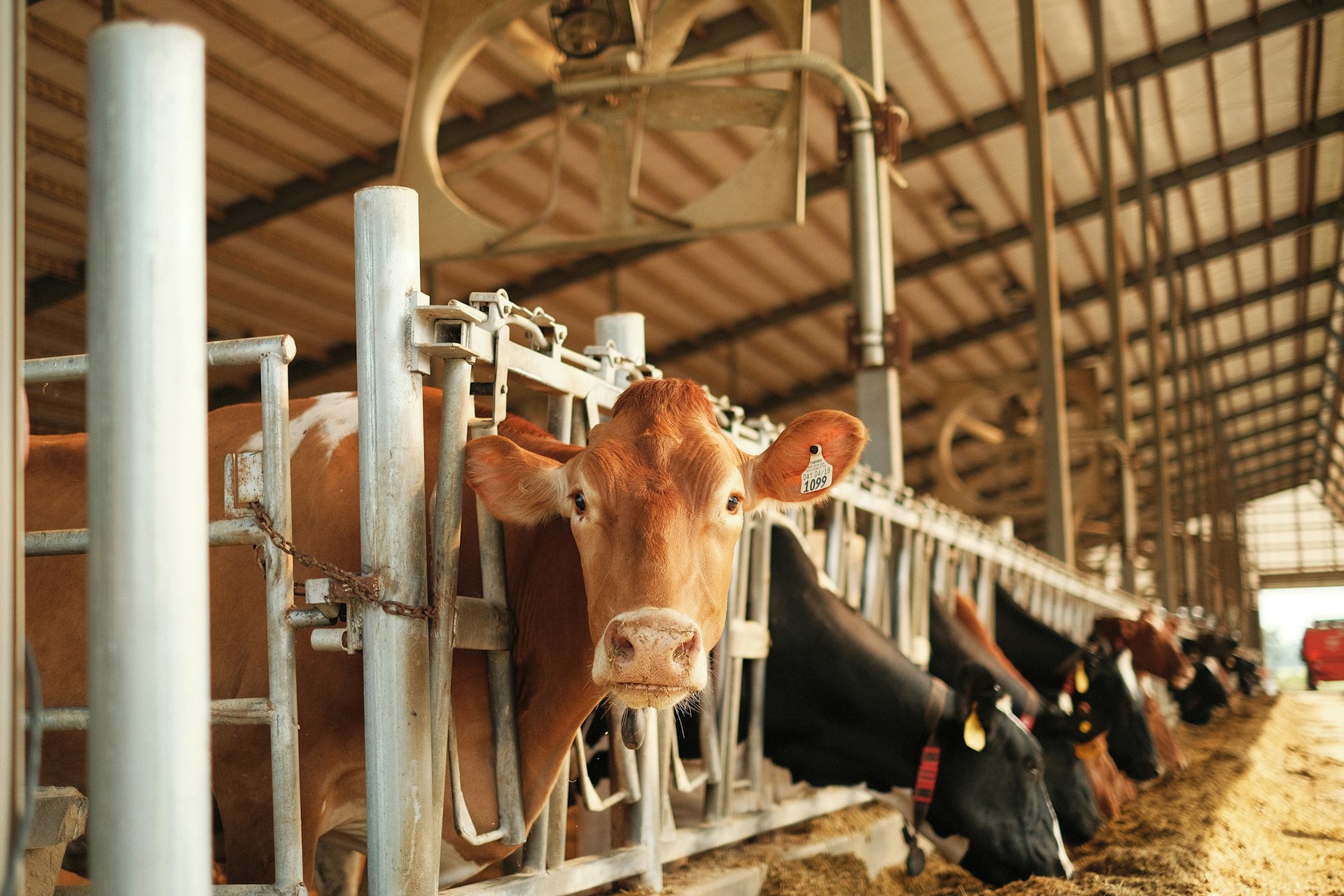
Low milk production in dairy cows—whether in Kenya or elsewhere—is usually not due to one single cause. It’s almost always a combination of nutrition, management, health, and environment. In Kenya specifically, a few factors tend to stand out:
1. Poor nutrition (the biggest factor)
Many smallholder farmers rely heavily on natural pasture or crop residues, which are often low in nutrients. Dairy cows need a balanced diet with enough:
- Energy (from feeds like maize germ, silage)
- Protein (e.g., dairy meal, legumes like lucerne)
- Minerals and vitamins
When cows don’t get enough quality feed—especially during dry seasons—milk production drops quickly.
2. Seasonal feed shortages
Kenya’s climate has distinct wet and dry seasons. During dry periods:
- Pasture becomes scarce and poor quality
-
Farmers may not have stored feeds like silage or hay
This leads to underfeeding and reduced milk yields.
3. Poor genetics
Some farmers keep local or low-producing breeds instead of improved dairy breeds like:
- Holstein Friesian
-
Ayrshire
- Jersey
-
Fliechview & their crosses.
Crossbreeds can do well, but if breeding isn’t well managed, productivity declines over generations.
4. Diseases and parasites
Common health issues reduce milk production, such as:
- Mastitis (very common and directly lowers milk output)
-
Tick-borne diseases
- Internal parasites (worms) and ticks
Sick cows eat less and divert energy away from milk production.
5. Poor breeding and reproduction management
- Long gaps between calving (calving interval too long)
- Failure to detect heat or poor timing of insemination
- Failure to come to heat
- Repeat breeding
Cows produce the most milk after calving, so fewer calvings = less milk over time.
6. Inadequate water supply
Milk is mostly water. A dairy cow may need 50–100 liters of clean water daily. Limited or dirty water reduces intake and milk yield.
7. Poor housing and stress
- Overcrowded or dirty sheds
- Heat stress (especially in lowland areas)
- Lack of proper resting areas
Stress lowers feed intake and milk production.
8. Milking practices
- Inconsistent milking times
- Poor hygiene
- Incomplete milking
These can reduce yield and increase risk of mastitis.
What You Need To Fix
Improving Milk Production requires the following:
Clean hygienic milking practices.
This is easily fixed by use of milking machines.
Enhancing comfortability of cows.
A comfortable cow produces much higher yields of milk. Enter the use of cow mattresses.
Can you trust our partners?
We collaborate with trusted, high-quality partners to bring you reliable and top-notch products and services.
What support do we offer?
We provide 24/7 support through various channels, including live chat, email, and phone, to assist with any queries.
How is your data secured?
Your data is protected by advanced encryption and security protocols, keeping your personal information safe.
Are links to other websites approved?
Although this Website may be linked to other websites, we are not, directly or indirectly, implying any approval.