Skip to Content

Understanding Artificial Insemination


One of the best technological advancements in animal husbandry is artificial insemination, which addresses several issues related to cow sexual mating. The process of artificially fertilising a female cow—that is, without the cow and bull actually mating—is known as artificial insemination. It is carried out by immediately injecting a bull's semen into the cow's ractovagina. In addition to preventing STDs, this method increases the likelihood of fertilisation with superior progeny. However, because of a shortage of qualified workers and poor handling, this method's success rate is low in our nation.One of the best technological advancements in animal husbandry is artificial insemination, which addresses several issues related to cow sexual mating. The process of artificially fertilising a female cow—that is, without the cow and bull actually mating—is known as artificial insemination. It is carried out by immediately injecting a bull's semen into the cow's ractovagina. In addition to preventing STDs, this method increases the likelihood of fertilisation with superior progeny. However, because of a shortage of qualified workers and poor handling, this method's success rate is low in our nation.


The most challenging aspect of animal husbandry and the dairy business has always been the fertilisation process for cattle. In addition to having a lower conception rate, sexual mating naturally increased the risk of contracting STDs. Therefore, this technique of Artificial Insemination was developed by a Russian researcher, Llya Lvanovich Lvanov in 1922. The process of artificial insemination involves using a syringe to insert a bull's semen into a cow's eggs. In this method, the cattle are not allowed for sexual mating and thus it prevents STDs as the semen is directly injected into the cervix part of the ractovagina of the cow thus increasing the rate of conception along with genetically superior offspring.
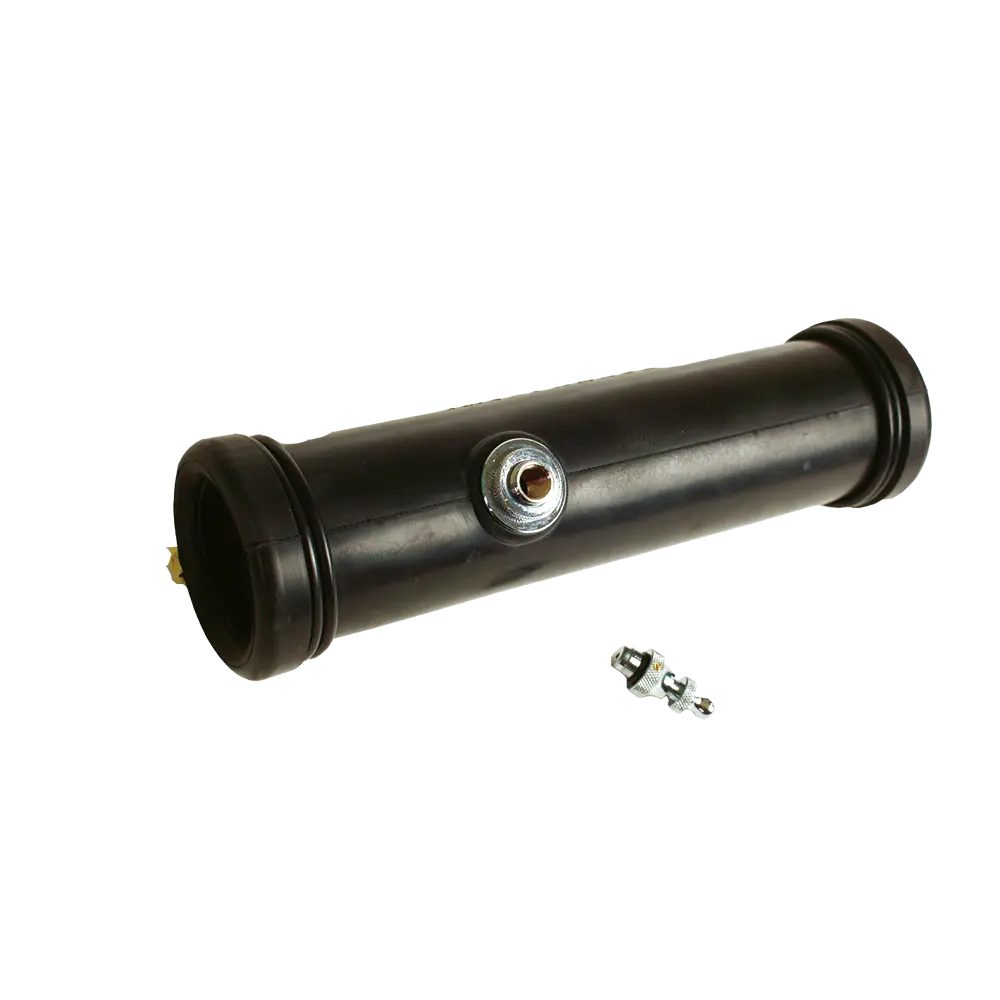
  1. Artificial Vagina: Since it is utilized to artificially collect a bull's semen, it is the most significant component in artificial insemination. It consists of an outside and internally rubber barrel that is filled with hot water up to 60 °C so that the rubber's inner lining stays between 40 and 45 °C. The inner lining of the AV is appropriately lubricated and positioned firmly around the bull's male genitalia for a smooth penis insertion and improved penile erection (Brinsko et al., 2011) [4]. To prevent Bull's semen from leaking, the artificial vagina is securely fastened to the semen collection vial using rubber bands and wrapped with a material that resembles a garment.
  2. Straw Cutters: These are used to cut the ends of the straws containing semen without harming the sperms so that the straw could easily get attached to the pistolet.
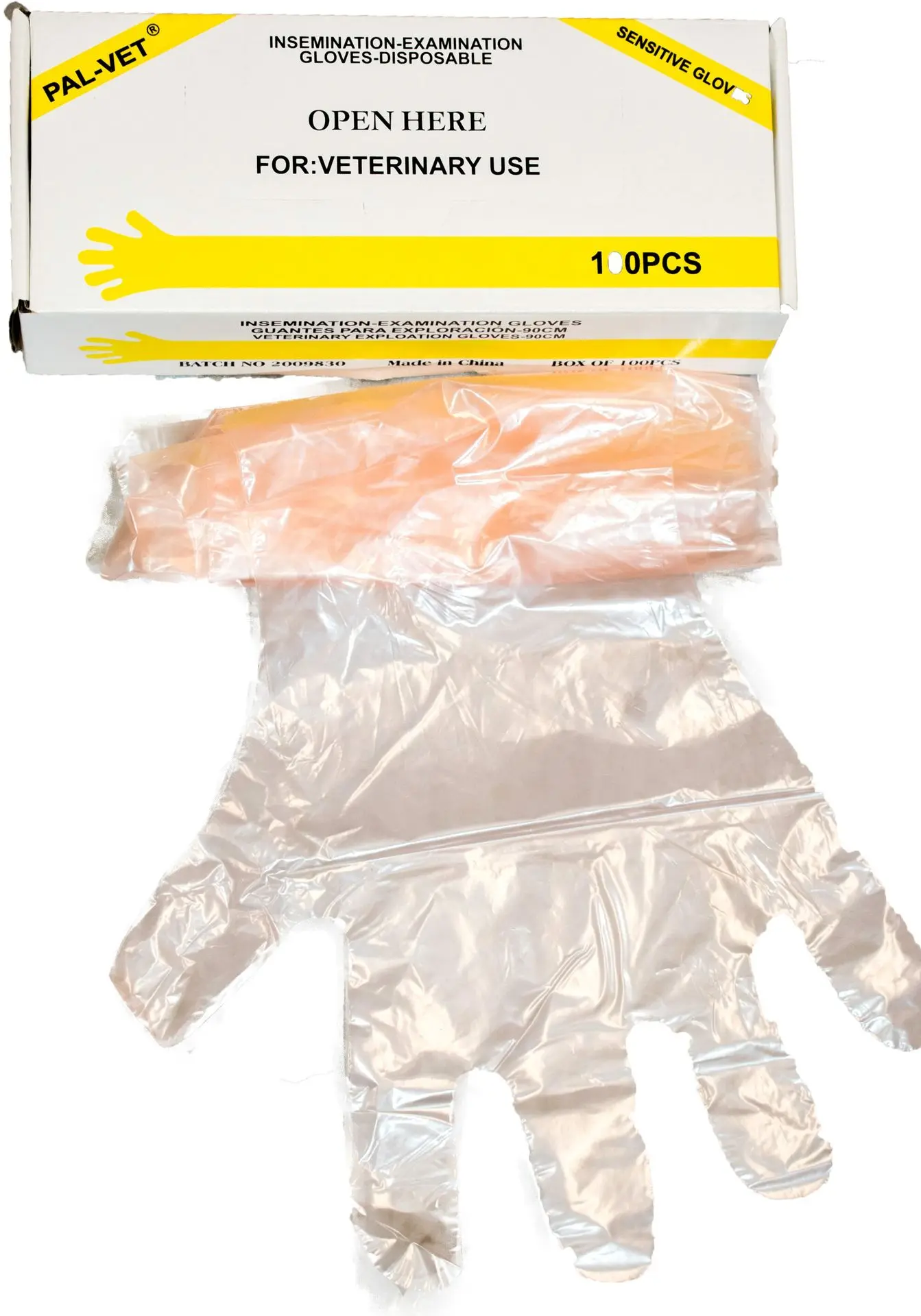
  3. Arm-length Gloves:  specially designed to ensure a safe and hygienic breeding process for livestock. Made from high-quality, durable materials, these gloves provide excellent tactile sensitivity and flexibility, allowing for precise handling during insemination procedures.
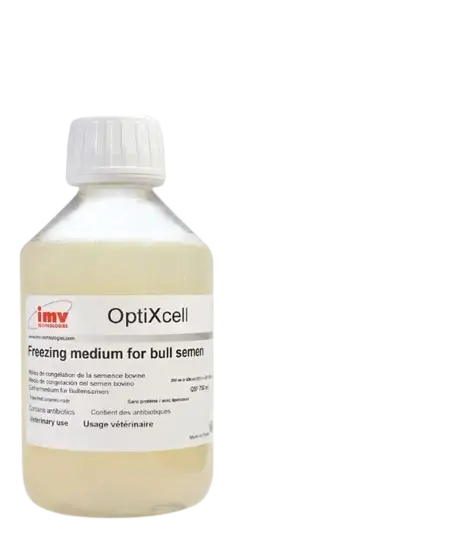
  4. OptixCell: this not only dilutes the semen but also provides nourishment to the stored sperms and maintains their viability.
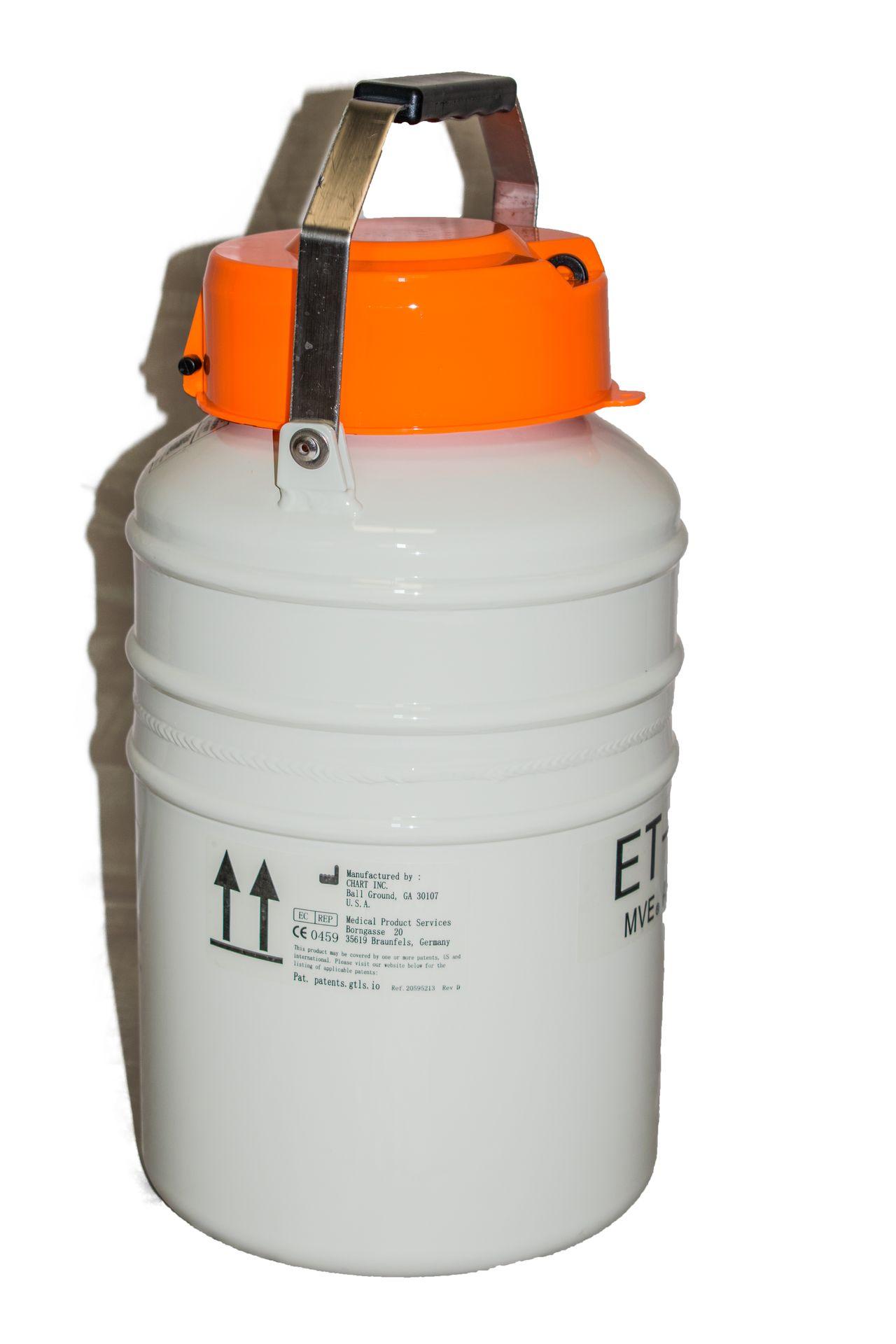
  5. A.I. Container:  They use liquid nitrogen at \(-196^{\circ}C\) to cryopreserve bovine semen and embryos. This halts cellular activity, keeping elite genetic material viable for years. It allows farmers to breed cattle without owning a live bull and enables global distribution of superior genetics.
  6. Lube Gel: An aqueous substances like Vaseline used to lubricate the inner lining of the artificial vagina while semen collection for smooth insertion of the male genitalia of the bull.
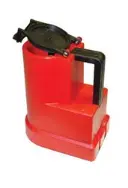
  7. Thaw Flask: As the Semen is stored at freezing temperature to protect it from getting denatured, it is very important to defrost the semen before injecting it into the vagina of the cow thus, a thaw bath of about 40 seconds in warm water at 35 to 38 °C are given to the Straw containing semen without harming the sperm.
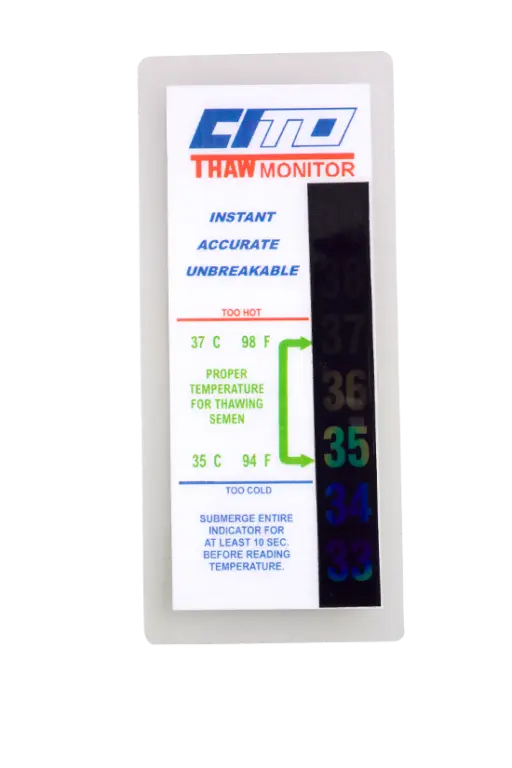
  8. Thaw Monitor:  ensure precise temperature control and monitoring during the thawing of frozen semen.
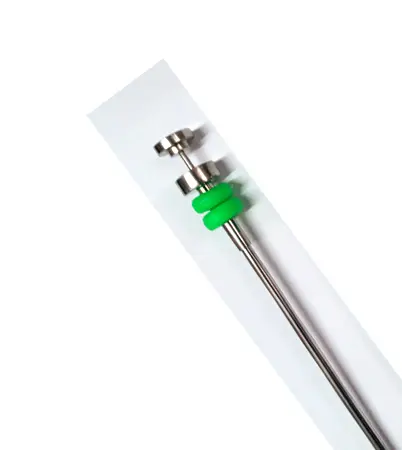
  9. Pistolets:  A pistolet (or AI gun) is a precision instrument used to manually deposit thawed semen straws into a cow’s reproductive tract during Artificial Insemination (AI). It eliminates the need to keep a live bull, allowing farmers to breed cows with superior genetics while significantly reducing the spread of venereal diseases.
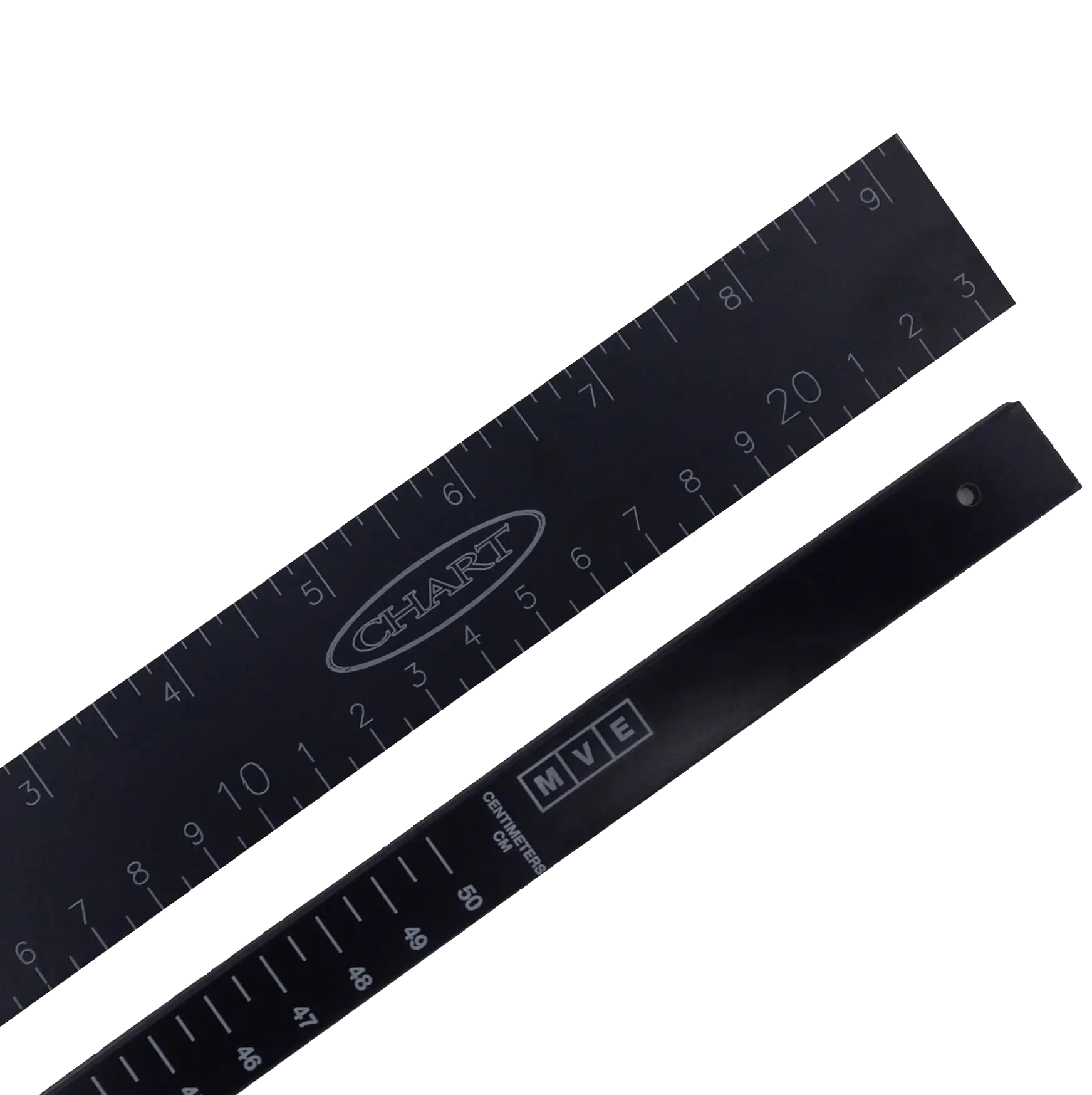
  10. Dipstick: Used for the physical measurement of liquid nitrogen tanks. It is a long, slender wooden measuring stick slowly lowered into the liquid nitrogen tank and rested at the bottom for 5-10 seconds. Upon removal, the atmospheric air condenses as frost on the stick corresponding exactly to the liquid nitrogen level. This tells the technician exactly how much freezing agent is left, ensuring the semen straws are safely cryopreserved.
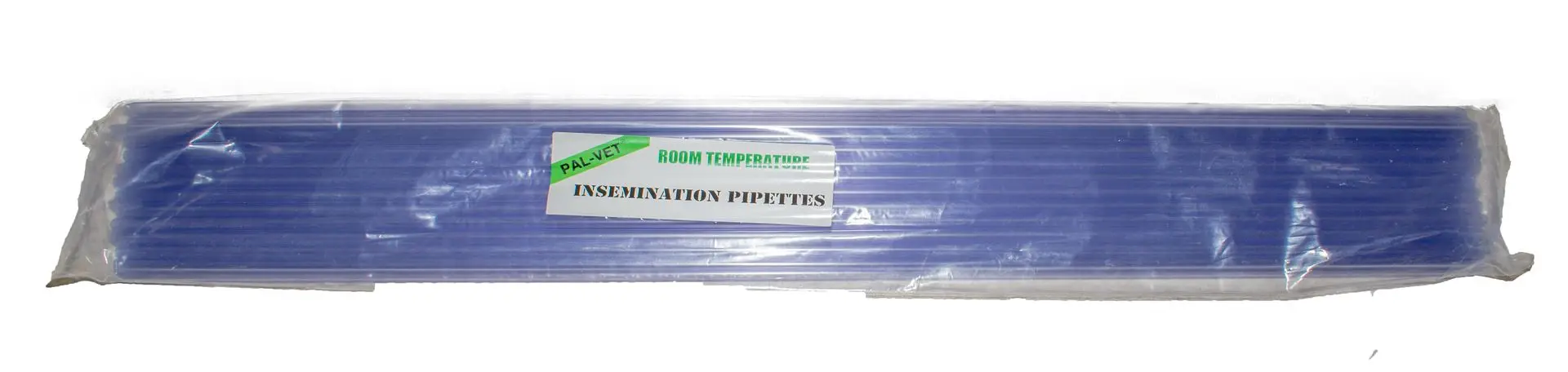
  11. Pippettes:  (or "AI guns/rods") are specialized long, slender instruments used to safely deposit thawed bull semen into a cow's uterus
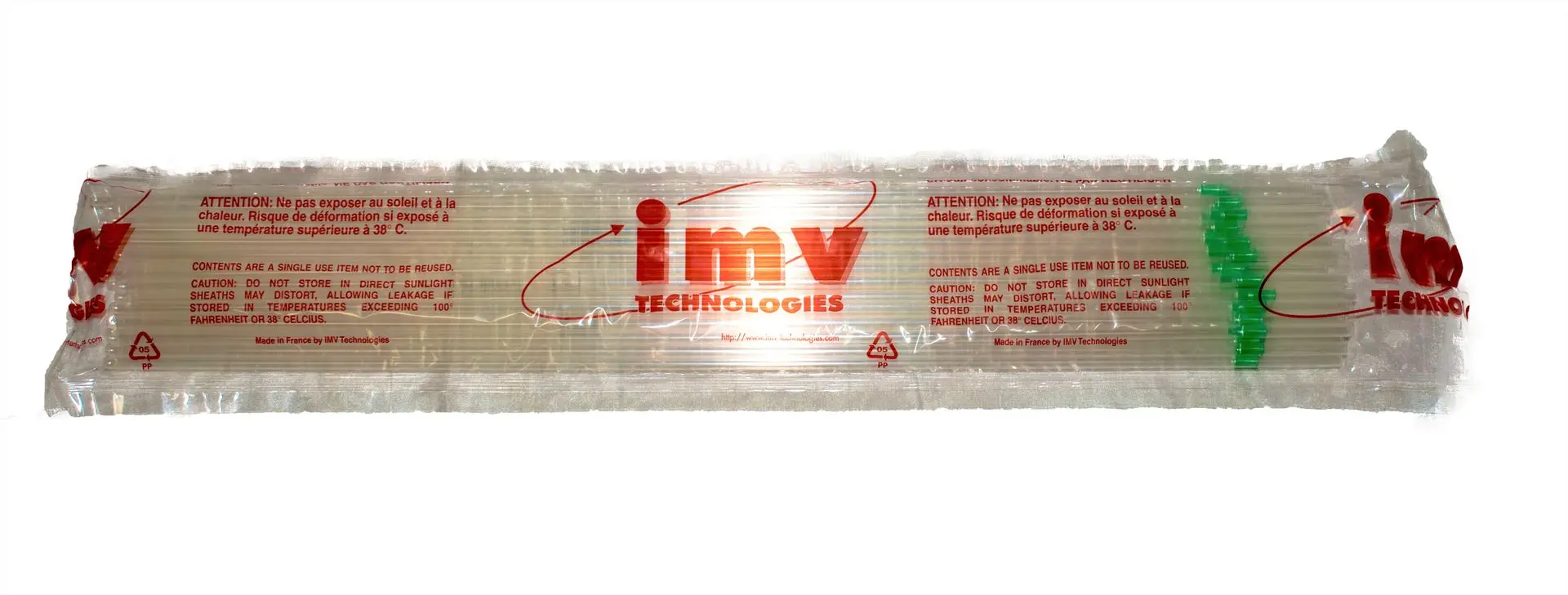
  12. A.I. Sheath:  essential disposable tools used to secure the semen straw, prevent uterine infections, and protect the delicate breeding equipment during artificial insemination. They ensure the hygienic delivery of semen directly into the cow's uterus.

Steps of Artificial Insemination

Artificial insemination should take place while the cow is in heat, or when her eggs are ready for fertilization. In order to stabilize the temperature of the semen while it is being stored at freezing temperatures, the straw containing the semen is first given a 40-second bath in the thaw flask. After the semen-containing straw is securely fastened to the AI rod using a plunger and protective sheath, the semen-containing portion of the rod is covered with a paper towel to preserve its warmth. 

The sperm are injected to fertilize the ova in the cow's uterus after the semen-loaded AI rod is transported to the cervix of the Racto vagina and passes through the three-layered rings of the cervix.

In order to ensure fertilization regardless of whether the eggs are discharged from the left or right ovary, the AI rod is carefully withdrawn after the semen has been incorporated into the cervix, and the cow's reproductive canal is gently massaged to spread the semen into the uterus.

Conclusion

Artificial insemination is an artificial process of fertilizing female cattle by depositing the semen of a viable bull directly into the cervix of a ractovagina of cow to increase the conception rate in females Cattle. This technology is not only helping the dairy industry to emerge with higher production but is also helping dairy farmers to have high Milk yielding cows to uplift their earnings from them.

Want to learn more about Artificial Insemination in cattle?

Talk to us on WhatsApp